If you run a café or restaurant in the UK, you already know the outdoor seating dream is…complicated.
One minute it’s blazing sun, next minute it’s sideways rain, then a bit of wind for character. And yet, when you get it right, outdoor tables can be the best part of the business. Higher covers, happier customers, people lingering for that extra coffee or pudding. It just works.
Shading is a big part of that. Not just “stop people squinting” shade either. Real, usable shelter that makes the space feel intentional. Like you meant to have a terrace, not just a few tables you dragged out.
So here are outdoor shading ideas that actually suit UK cafés and restaurants. Some are quick wins, some are bigger investments. Mix and match. That’s usually the move.
Start with what you’re trying to fix
Before buying anything, it helps to be honest about the problem.
- Is it sun glare on south-facing tables at lunchtime?
- Is it drizzle that sends everyone back inside even though it’s not that bad?
- Is it wind tunnel vibes between buildings?
- Is it overheating under a clear canopy, which sounds unlikely in Britain, but it happens on those sticky days?
- Or is it just that the outdoor area looks a bit bare, like an afterthought?
Different shade systems solve different pains. And some look great on Instagram but are useless in a gusty alleyway.
For instance, if you’re looking for solutions tailored specifically for restaurants and cafés, exploring options like restaurant blinds could be a game changer. These not only provide necessary shade but also add to the aesthetic appeal of your outdoor space.
Moreover, these outdoor solutions aren’t limited to restaurants alone; they can also be effectively implemented in schools or shops. So whether you’re managing a bustling café or a serene school environment, there’s always an outdoor living solution that fits your needs.
It’s all about understanding your unique challenges and finding the right solution. If you’re contemplating major changes to your outdoor setup, consider looking into restaurant project services which can provide expert guidance and implementation for your vision.
1. Classic parasols, but done properly
Parasols are popular for a reason. They’re relatively affordable, flexible and you can add them quickly without changing the building.
But the cheap ones are a false economy. They wobble, they fade, they flip inside out, they end up in the back room “until we sort it out” and never return.
If you’re going for a parasol, consider these upgrades:
Go cantilever where space is tight
Cantilever (offset) parasols keep the pole out of the middle of the table, which customers appreciate more than you’d think. They’re also better for layouts with walkways, prams and service routes.
Use heavy bases and wind ratings
UK weather does not care about your branding. Get proper weighted bases and check wind tolerance. If you’re on a corner site or near the coast, treat wind as the main factor, not sun.
Choose commercial grade fabric
Look for UV stability and water resistance, not just “outdoor”. Acrylic fabrics tend to hold colour better than basic polyester. And darker colours hide marks but can feel warmer underneath. There’s a trade-off.
Branding without shouting
A subtle logo on the valance looks smarter than a giant sponsor-style print. Unless your vibe is loud, then go for it.
Parasols are best when you need flexibility and you’re not ready to commit to a permanent structure. They also work well as additional shade layered alongside something bigger, like an awning.
2. Retractable awnings for predictable shade (and curb appeal)
Awnings are one of the most effective “make the frontage look premium” upgrades.
They’re brilliant for pavements and small terraces because they don’t take up floor space. You get shade and some rain cover, and the area feels like an outdoor room rather than a couple of tables outside a shop.
Manual vs motorised
Manual restaurant awnings are fine for tiny spans, but in hospitality you want speed. Motorised retractable awnings are the one. Press a button and you’re sorted. Some models have wind sensors that retract automatically, which is very useful when staff are busy and the weather changes suddenly.
Think about the pitch
If you want it to handle light rain, pitch matters. A flat awning looks neat but pools water. A slight angle helps runoff. Not perfect in a downpour, but it extends “we can still sit outside” time.
Heating and lighting integration
Many awnings can take integrated LED lighting and even heaters mounted nearby. Not inside the fabric, obviously. But planned together, it becomes a proper evening space.
If your outdoor seating is directly outside your frontage, awnings are hard to beat. It’s shade plus branding plus comfort, all in one.
3. Pergolas (the workhorse option for UK hospitality)
If you want a proper outdoor area that feels usable most of the year, pergolas are where a lot of UK venues end up. Because they give you structure.
And structure matters. It’s the difference between “outside tables” and “our terrace”.
Louvered roof pergolas
These are the ones with adjustable slats. You can tilt for sun, close for rain and sometimes even retract fully. They’re not cheap, but they’re incredibly practical in British weather.
They also make the space feel high end without trying too hard. Customers notice. It feels like a destination.
Retractable fabric roof pergolas
A fabric canopy that slides back and forth can be a bit softer looking than louvers, and often cheaper. The downside is wind and maintenance. But for sheltered courtyards, they’re great.
Side screens for wind and privacy
Add zip screens or glass panels and suddenly you’ve solved the main UK outdoor problem: wind chill. Screens can also make the terrace feel more contained, which helps with perceived noise and general ‘busy-ness’ – even if they’re not true soundproofing.
Pergolas work best when you want to maximise covers outdoors and you’re thinking in seasons, not just sunny days.
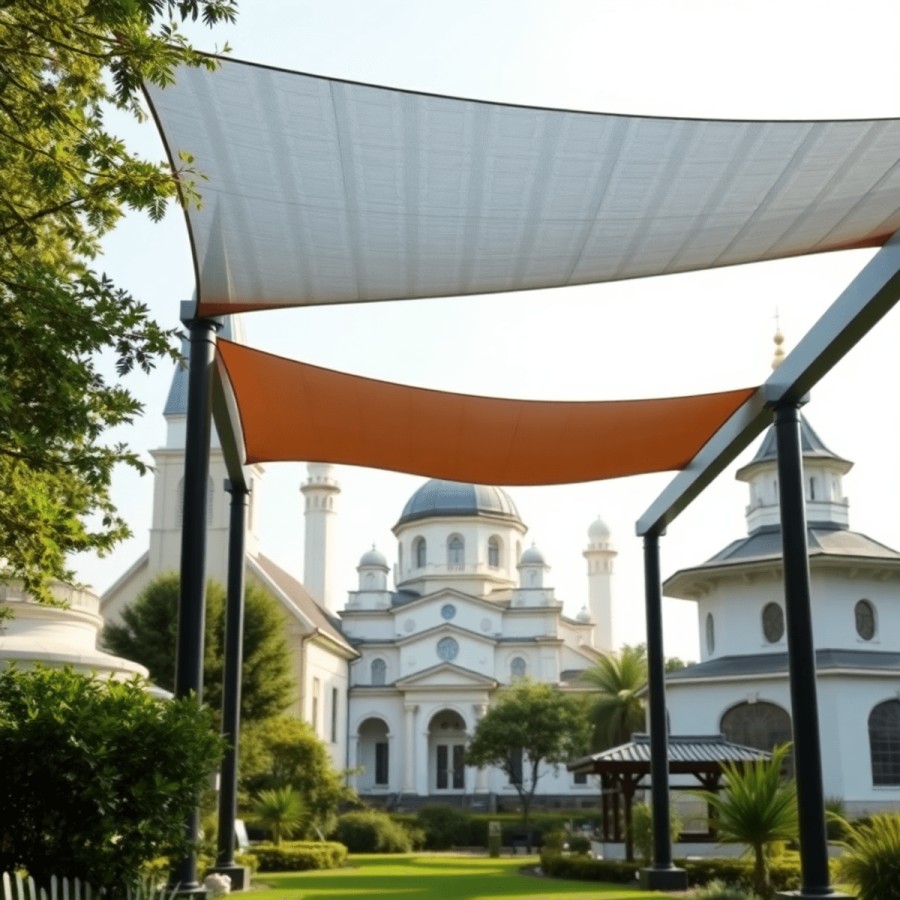
4. Shade sails, if you want style on a budget
Shade sails can look amazing. Mediterranean energy. Light, airy, modern. They also suit independent cafés that want something less “chain”.
But they’re not a universal solution.
What they do well
- Create large shaded areas with minimal materials
- Look striking when angled and layered
- Work well for playground-adjacent family pubs, courtyards, beer gardens
The reality checks
- They need strong fixing points and proper tensioning
- Wind can be an issue, especially if installed like a DIY kit
- Rain doesn’t always run off nicely unless the shape and angles are designed for it
If you go shade sail, get it designed and installed properly. The cheap approach often ends up flapping, sagging and looking tired within a season.
5. Fixed canopies for all weather coverage
Sometimes you just want certainty. A fixed canopy with a solid frame provides consistent cover. This is especially useful if you’ve got a high footfall site and you want outdoor seating to stay open in drizzle.
For such needs, professional assistance in designing and installing restaurant canopies can ensure durability and functionality while enhancing the aesthetic appeal of your outdoor space.
Polycarbonate or glass roofs
These let light through, which is nice in winter. But in summer, clear roofing can create a greenhouse effect. You can mitigate that with:
- tinted or diffusing roof panels
- under-canopy screens or blinds (to cut glare without sealing heat in)
- external shading where possible
- good airflow and venting detail
Glass looks premium but needs maintenance. Bird poop is real. And you’ll see it.
Solid roof canopies
More shade, more protection, often better for integrating heaters and lighting. But you’ll darken the indoor space if it’s right by the windows, so think about placement and roof overhang.
Fixed canopies are best for venues that want maximum reliability and are okay with a more permanent look.
6. Outdoor umbrellas with built-in heating and lighting (yes, really)
This one sounds gimmicky until you’ve used it.
There are commercial parasols designed to integrate lighting, and separate systems that clip on neatly. Heating is usually better handled with standalone patio heaters or overhead infrared units mounted to a structure, but lighting on parasols can work well for ambience.
If your outdoor area is small and you don’t want a pergola, a “premium parasol setup” can be a middle ground. Shade by day, cosy by night.
Just make sure cabling is tidy and safe. Nothing ruins the vibe like extension leads taped to the floor.
7. Green shade: trees, climbers and living screens
Greenery is underrated as a shading strategy. It’s not instant, but it’s one of the nicest experiences for customers. And it photographs beautifully, if that matters to you. It usually does, even if you pretend it doesn’t.
Small trees in planters
Olive trees, acer, bay, multi-stem birch. In large planters they can provide dappled shade and soften the space. Bonus: they create subtle zoning between tables.
But pick species that suit UK conditions and your maintenance capacity. If you can’t water consistently, choose hardy varieties.
Climbing plants on pergolas or trellises
Wisteria, jasmine, grapevine, clematis. They add seasonal interest and natural shade. In mid-summer, a leafy pergola is genuinely cooler than some synthetic covers.
Living screens
Tall planters with bamboo (clumping varieties, not invasive runners), or dense shrubs. They block wind a bit, add privacy and make outdoor dining feel less exposed to the street.
Green shade is best when you want atmosphere, not just function. Ideally you combine it with a more reliable cover so you’re not betting the whole terrace on plant growth.
8. Pop-up gazebos for events (not for everyday service)
Pop-up gazebos have their place. Street food events, one-off promotions, seasonal overflow. They are not great as a long-term solution for a restaurant terrace. They age quickly, look temporary and in wind they’re honestly a liability.
But if you need something now, for a weekend, they can save you.
If you do use them:
- use proper weights on every leg
- avoid cheap pegs into paving that do nothing
- don’t leave them up overnight
- keep the branding minimal so it doesn’t look like a market stall, unless that is your vibe
If you find yourself relying on pop-ups more than once or twice a month, that’s your signal to upgrade. At that point, a retractable awning or pergola-style system is usually a better long-term move – safer, neater and far less faff.
9. Windbreaks and side panels, the shade accessory that changes everything
This isn’t shade in the strict sense, but in the UK it’s half the battle.
A sunny but windy day can feel colder than a dull calm one. People will choose indoors if they’re uncomfortable, even with perfect shade overhead.
Options include:
- glass balustrades
- framed clear panels
- retractable screens
- planter-based windbreaks
- traditional canvas barriers with branding
A good windbreak makes outdoor seating feel calmer. And when people feel calmer, they stay longer. That’s the real metric.
10. Mixed zoning: different shade types for different table behaviours
Not every table wants the same thing.
You usually have:
- quick coffee customers who want brightness, maybe partial shade
- lunch customers who want real cover and comfort
- families who want cooler spots and room for pushchairs
- evening drinkers who want warmth and ambient lighting
So instead of trying to shade everything the same way, zone it.
A practical layout might look like:
- awning over the frontage tables
- a couple of heavy-duty parasols for overflow
- windbreak along the street edge
- a pergola section at the back for “best seats” and evening dining
- greenery planters to soften and divide
This also helps your staff. Clear zones are easier to manage than one big messy patio.
Stuff that gets overlooked (but matters)
Planning permission and landlord approval
Not always needed, but sometimes yes. Especially in conservation areas, listed buildings or if you’re fixing structures to the building or changing the frontage.
If you rent, get written approval. It saves so much pain later.
Pavement licences and accessibility
If your shade system affects the pavement area, you need to keep clear widths for pedestrians, wheelchairs, buggies. Councils can be strict. And customers should be able to move through without feeling like they’re dodging poles and bases.
Fire safety and heaters
If you’re using heaters, check safe clearances from fabrics and overhead structures. Also consider how you’re routing gas cylinders or electrics. This is one of those areas where “it’s probably fine” is not a strategy.
Maintenance, cleaning, storage
UK winter is hard on outdoor kit. If parasols can be stored, store them. If fabrics can be removed, remove them. If you have a fixed structure, plan for cleaning schedules, especially gutters and drainage.
Colour and material choices
Light fabrics feel brighter and cooler, but show stains. Dark fabrics hide marks but can feel heavier. Neutral tones usually look more premium over time, and they won’t clash when your branding changes slightly next year.
A simple way to choose the right option
If you want a quick decision framework, here’s one that’s actually usable.
- Tiny budget, need shade fast: commercial parasols with proper bases.
- Frontage tables on a pavement: retractable awning, plus a windbreak.
- Courtyard or back garden dining you want to monetise: pergola, ideally with sides and lighting.
- Style forward space, limited structure: shade sails, professionally installed.
- All weather coverage for regular service: fixed canopy or louvered pergola.
- You want atmosphere and softness: add green shade and planters no matter what.
And you can layer these. Most successful outdoor areas do.
Closing thoughts
Outdoor shading in the UK isn’t about chasing perfect weather. It’s about making “pretty good” feel comfortable enough that people stay outside anyway.
That’s the win.
Get the basics right first. Stability, coverage, wind protection. Then make it look like you. Add lighting, greenery, little touches that make the space feel like part of the restaurant, not just the bit outside.
Because when your terrace feels intentional, customers treat it that way. They book it. They ask for it. They sit down, relax and order another round.
FAQs (Frequently Asked Questions)
Why is outdoor shading important for UK cafés and restaurants?
Outdoor shading is crucial because UK weather is highly unpredictable, with sudden changes from sun to rain and wind. Proper shading creates a comfortable, intentional outdoor space that attracts more customers, encourages them to stay longer and increases covers, ultimately benefiting the business.
What factors should I consider before choosing an outdoor shading solution?
It’s important to identify the specific challenges you want to address – such as sun glare on south-facing tables, drizzle that deters customers, wind tunnels between buildings, overheating under clear canopies or a bare-looking outdoor area. Different shade systems tackle different issues, so understanding your unique needs ensures you pick the right solution.
Are parasols a good option for outdoor seating areas in the UK?
Yes, parasols are popular due to their affordability and flexibility. However, investing in high-quality cantilever parasols with heavy bases and commercial-grade fabrics ensures durability against UK weather conditions like wind and rain. They offer flexible shade without permanent installation and can complement larger shading structures.
What are the benefits of retractable awnings for cafés and restaurants?
Retractable awnings enhance curb appeal while providing predictable shade and some rain protection without occupying floor space. Motorised options offer quick deployment with features like wind sensors for automatic retraction. Their pitched design helps water runoff, extending outdoor usability during light rain. Integrated lighting and heating make them ideal for creating comfortable evening spaces.
Can outdoor shading solutions be customised for branding purposes?
Absolutely. For example, parasols can feature subtle logos on valances for a smart look without overwhelming branding. Awnings also serve as premium frontage upgrades that combine shade with brand visibility. Customisation should align with your venue’s vibe – whether understated or bold – to enhance aesthetic appeal while providing functional shelter.
Are these outdoor shading solutions suitable only for cafés and restaurants?
No, many solutions like restaurant blinds, pergolas and awnings are versatile and can be effectively implemented in schools, shops and other settings requiring outdoor living enhancements. Tailoring the choice to your environment ensures practical use and visual appeal across various types of venues.