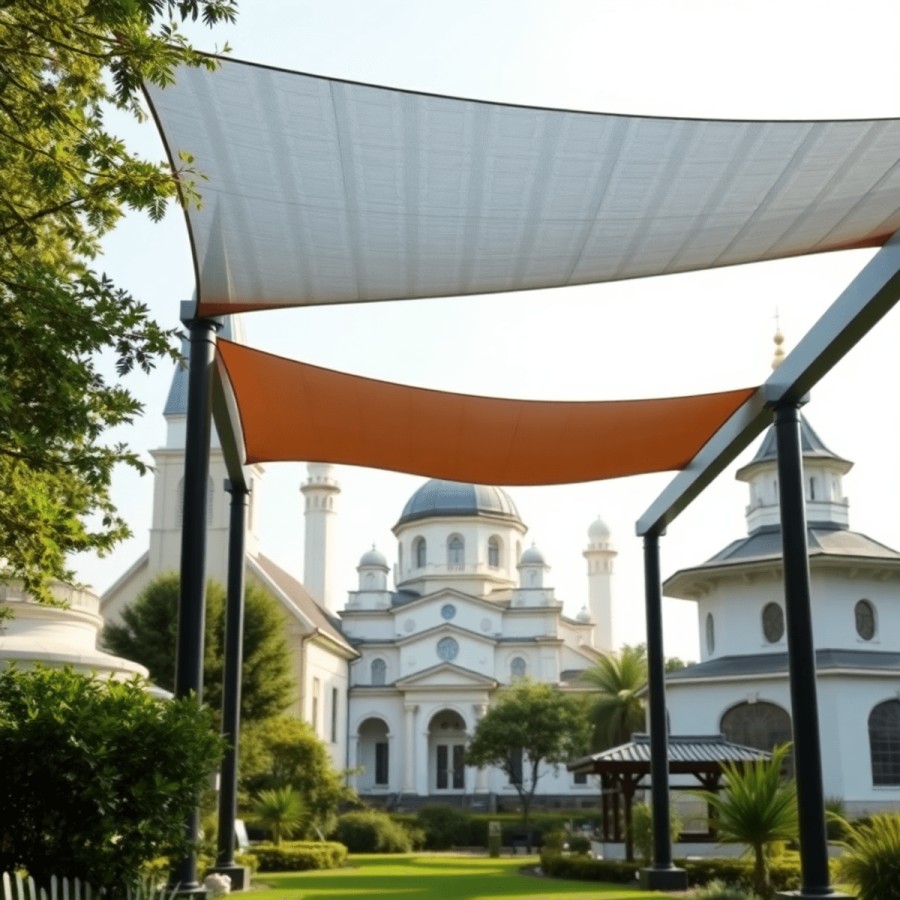
Alfresco dining sounds romantic until you’ve watched a perfect table of guests get spooked by a sudden shower, or you’ve had to apologise for the blazing sun turning the “nice outdoor area” into an oven by 1pm.
If you run a café, restaurant, pub, hotel terrace or even a deli with a few bistro tables out front, you already know the truth. Outdoor seating is brilliant. It also needs managing. Constantly.
This is where commercial grade awnings quietly earn their keep. Not the flimsy stuff that looks fine in a brochure but flaps like a sail in real wind. I’m talking proper commercial systems designed for daily use, UK weather and the kind of wear that comes from staff, customers and the general chaos of service.
This post is about making alfresco dining actually work. Cosy. Weatherproof. A place people choose, not a place they tolerate.
Why outdoor seating is worth the effort (when it’s done right)
Extra covers are the obvious reason. But the bigger win is the vibe. A sheltered outdoor area changes how people feel about your venue.
It becomes:
- A “we should go there” spot, not just a functional place to eat
- A place that stays open longer through spring and autumn
- A space you can book out for small events, birthdays, casual work drinks
- A visual hook from the street. People see people sitting comfortably and they follow
The catch is consistency. If guests think “it’s always too windy” or “it’s baking hot” or “you’ll get rained on”, they stop choosing it. They sit inside. Or they go elsewhere.
A commercial grade awning helps you deliver the same experience outside that you work hard to deliver inside.
Moreover, if your business includes retail space, shop awnings can also enhance your outdoor experience by providing shelter while creating an inviting atmosphere for potential customers walking by.
What “commercial grade” actually means (and why it matters)
A lot of products are labelled commercial. It doesn’t mean much unless you know what you’re looking for.
Commercial grade is really about three things.
1. Structure that can take stress
A stronger framework, proper brackets, better fixings, better tensioning. The stuff that stops an awning from sagging, rattling or wearing out after a season. This is especially important for commercial awnings, which need to withstand frequent use and varying weather conditions.
2. Fabric that performs, not just looks nice
UV resistance. Colour fastness. Water repellency. Mould resistance. And seams that don’t give up early. In the UK, a damp fabric that never quite dries is a reality. Commercial fabrics handle that reality better. In the UK, damp is the real test. A fabric that never quite dries will stain, smell and age fast. Commercial fabrics are built for that reality – and they hold their look for longer.
3. Components designed for frequent use
Motors, arms, sensors, manual override options. You’re not opening this once a month. It might be opened and closed multiple times a day, all year.
If your alfresco area is part of your revenue, then the awning is part of your operating equipment. It’s closer to an oven or a fridge than it is to “decoration”.
The real goal: comfort, control and a little bit of theatre
Most owners start by asking, “Will it keep the rain off?”
Yes. But the better question is, “Can I control the space?”
A good awning set up gives you control over:
- Shade during peak sun
- Shelter during light to moderate rain
- Temperature swings as the day changes
- Glare at certain times of day
- The feeling of enclosure. This matters more than people think
And there’s a bit of theatre too. Awnings create a defined zone. It signals, this is a dining area. It’s prepared. It’s intentional. It’s not just a couple of tables dumped on a pavement.
That alone makes guests relax.
Picking the right style for your space
There isn’t one “best awning”. There are a few common types that work well for hospitality, and the right choice depends on layout, wind exposure and how you use the area.
Retractable arm awnings (the classic)
Ideal for terraces and shopfronts where you want shade and rain protection without permanent posts in the way. These premium shop retractable awnings are a popular choice.
Why people love them:
- Open feel when retracted
- Quick coverage when extended
- Great for street-facing seating where space is tight
Where they struggle:
- Very exposed windy sites, unless specifically designed for it
- Very large spans without intermediate support
Pergola style awnings (more robust, more “outdoor room”)
These are often the answer when you want proper coverage and stability. They can be freestanding or wall-mounted with front posts, and they handle wind better than most simple retractables. A garden awning could also serve this purpose well.
Best for:
- Larger dining zones
- Roofline coverage that needs to stay steady
- Spaces you want to feel like a semi-permanent extension of indoors
They also look premium. Not always subtle, but premium.
Fixed canopies (simple, always on)
Sometimes a fixed solution makes sense. Especially if you’re in a spot where you basically always need cover, or you’re designing a permanent terrace. Canopies could be the ideal solution here.
Pros:
- Constant shelter
- Fewer moving parts
- Can be combined with lighting and heaters easily
Cons:
- Less flexibility for bright days when you want an open sky feel
- Planning and signage considerations depending on location
There’s also the hybrid approach. A fixed structure with retractable fabric, or a pergola system with adjustable panels. That can be the sweet spot for UK venues. Because the weather doesn’t make up its mind and neither can you.
In conclusion, whether you’re looking for patio awnings, garden solutions or premium shop options, understanding these styles will help you make an informed decision that best suits your space.
Weatherproofing is not just about rain
The UK’s “bad weather” is rarely dramatic storms all day long. It’s usually annoying weather. Sideways drizzle. Sudden gusts. Damp cold. Low winter sun that somehow still blinds everyone.
So weatherproofing means thinking in layers.
Rain cover, but the right kind
Awnings help with light to moderate rain. In heavier rain, the details matter.
- Pitch angle. Water needs to run off, not pool.
- Front gutters or integrated drainage on some systems.
- Fabric tension. Loose fabric collects water.
- The shape of the coverage. Drips at the front edge can land right on the table line if it’s not planned properly.
A good installer will talk about water behaviour, not just “it’s waterproof”.
Wind management
Wind is the thing that ruins outdoor plans faster than rain. Wind makes guests cold, blows menus off tables and makes staff hate service.
An awning can help, but wind also dictates the system choice.
If you’re exposed, consider:
- Wind sensors that retract automatically
- Stronger arms and frames rated for higher wind tolerance
- Side screens or vertical blinds to cut cross breezes
- Layout tweaks like planter barriers or partial screening
Sometimes the “solution” is as small as shifting your table line in by 30cm so the front edge isn’t taking the full hit.
Sun and heat control
On rare UK scorchers, your outdoor area can become unusable without shade. But even on normal days, UV and glare matter.
This is where add-ons like vertical drop screens earn their keep. They cut glare, reduce UV, and stop late-afternoon sun from turning one side of the terrace into a squinting zone. For south-facing frontages, that isn’t “nice to have” – it’s the difference between using the seats and leaving money on the table.
And if your venue has a big south facing frontage, shade is not optional. It’s operational. For a comprehensive solution including commercial blinds supply and installation, consider reaching out to experts who are the smart choice for your commercial blinds in the North West.
Cosy is a design choice, not an accident
You can cover a space and still make it feel cold and exposed. Cosy comes from small decisions stacking up.
Here’s what tends to work.
Add warmth without making it tacky
Heaters are common, but placement is everything. You want warmth where people sit, not heat blasting into the street.
Combine:
- Overhead heaters mounted safely under or near the awning line
- Blankets in a clean basket (yes people use them, especially in pubs)
- Wind reduction from side screens
Even one side screen can change the whole feel. Guests stop bracing themselves.
Lighting that feels intentional
Good lighting makes an alfresco area look open for business, even when the inside is busy.
Under awning lighting ideas:
- Warm white LED strips along beams or cassette edges
- Discreet downlights, especially for table visibility
- Festoon lighting for more casual venues, but keep it tidy
Too bright feels clinical. Too dim feels neglected. You want that mid-level glow where food still looks good and people want to linger.
Acoustics and “enclosure”
This is underrated. A covered area changes sound. It can feel calmer. More private. And when it’s done right, guests feel like they’ve got their own little zone.
If you can add some soft surfaces nearby, like planters, screening, even outdoor curtains, it reduces the hard echo effect and makes the space feel more intimate.
The practical business benefits (the stuff that pays for it)
Let’s talk money and operations. Because vibes are lovely but margins are real.
Commercial grade awnings, like those offered by Corona Contracts, can help with:
More usable days per year
This is the big one. A terrace that’s “sometimes” open becomes reliably open with the right retractable awnings.
It’s not just about rain. It’s about staff confidence too. When the team knows the outdoor section won’t become a disaster in 20 minutes, they’ll seat it more willingly. That alone can increase utilisation.
Better table turnover and longer dwell time, depending on what you want
If you’re a café, you might want a steady flow. If you’re a restaurant, you might want guests to relax and order another bottle. Comfort supports both.
Cold and glare make people rush. Comfort makes them stay. And spend.
Protecting furniture and finishes
Constant sun and damp wreck outdoor furniture fast. Awnings reduce exposure. Cushions last longer. Timber doesn’t degrade as quickly. Surfaces don’t fade as fast.
It’s not exciting, but it saves money.
Stronger kerb appeal
A good awning system makes your frontage look “set”. It frames the business. It creates a recognisable look from the street.
If you ever walk past a place and think, that looks busy and welcoming, a lot of that is just visual structure provided by awnings.
Things people forget until it’s too late
A few common mistakes show up again and again.
Installing coverage that doesn’t match the seating plan
Sounds obvious. But it happens.
You want to map:
- Table positions
- Walkways for staff carrying trays
- Pram and wheelchair access
- Door swing zones
- Queue areas if you do takeaway
Then position the awning coverage to support the flow, not fight it.
Ignoring low sun angles
Afternoon sun can be brutal even in cooler months. If your space gets glare at 4pm, guests will squint and move. It feels minor. It’s not.
Consider valances, drop-down screens or side solutions that block low sun without turning the place into a cave.
Underestimating wind turbulence created by buildings
Wind doesn’t just hit straight. It swirls around corners, funnels down alleys, bounces off glass.
If you’ve got a corner site or a narrow frontage, ask your installer about turbulence. You might need a different system, or sensors, or extra anchoring.
Choosing cheap motors and regretting it
If you go motorised, go reliable. The awning will be used a lot. And when a motor fails, it’s never on a quiet Tuesday morning. It’s always when you’ve just seated a full section and the sky has gone grey.
Manual override is a must.
Motorised vs manual: what most venues pick
For small areas, manual can work. But most commercial venues end up choosing motorised for speed and consistency.
Motorised makes sense if:
- Staff need to adjust quickly during service
- The awning is large and heavy
- You want wind and sun sensors
- You have multiple awnings that should move together
Manual can make sense if:
- It’s a compact unit
- You have a sheltered site
- You want minimal electrical work
- Budget is tight and you still want quality materials
If you do go motorised, the sensor conversation is worth having. A wind sensor that retracts automatically can prevent expensive damage and stressful moments. Also it protects your staff from having to decide whether it’s “too windy” while juggling orders.
Planning, permissions and neighbour realities
Depending on where you are, you may need permission for certain installations, especially in conservation areas or for structures that project over public space.
A few practical notes:
- If your awning extends over a pavement, there may be rules about minimum height and projection.
- Signage on the valance can be a bonus, but check local guidelines.
- If you share a boundary with neighbours, think about water run-off and noise.
This part isn’t glamorous, but sorting it early avoids awkward delays.
A simple way to plan your alfresco awning set up
If you want a quick process that keeps you sane, here it is.
- List your problems
Rain? Wind? Glare? Cold? Staff flow? Write them down. - Decide what “success” looks like
More covers year round? Better ambience at night? A bookable terrace? - Measure the space and draw the seating plan
Even a rough sketch helps. Include walking paths. - Choose the system based on exposure, not aesthetics first
Looks matter, yes. But wind and rain behaviour matter more. - Plan the comfort layer
Lighting. Heating. Screening. Softening. This is where cosy happens. - Get it installed properly
Good fixings and correct pitch make a massive difference. This is not where you want shortcuts.
Wrapping it up
A commercial grade awning isn’t just a nice extra. It’s a practical way to turn outdoor seating into a reliable, comfortable part of your venue.
And when it’s done well, it changes everything. Guests stop scanning the sky. Staff stop panicking about the forecast. Your terrace starts earning consistently, not just on the handful of perfect days.
Cosy and weatherproof is possible in the UK. It just needs the right structure, the right fabric and a bit of thought about how people actually sit, eat and stay.
Because that’s the point, really. Not just covering tables. Creating a place people want to be.
FAQs (Frequently Asked Questions)
Why is managing outdoor seating important for cafés and restaurants?
Outdoor seating offers extra covers and creates a welcoming vibe that attracts guests. However, it requires constant management to ensure comfort and protection from weather elements like sudden showers or intense sun, making the space cosy, weatherproof and appealing rather than just tolerated.
What makes commercial grade awnings suitable for UK hospitality venues?
Commercial grade awnings feature a strong structure to withstand stress, high-performance fabrics with UV resistance, water repellency and mould resistance, plus durable components like motors and sensors designed for frequent use. These qualities ensure they endure UK weather and daily operational demands in cafés, restaurants, pubs and hotels.
How do commercial awnings enhance the outdoor dining experience?
They provide control over shade during peak sun, shelter from light to moderate rain, manage temperature swings and glare and create a feeling of enclosure. This not only improves guest comfort but also defines the dining area as an intentional, inviting space that encourages relaxation and repeat visits.
What are the common types of awnings suitable for hospitality outdoor areas?
Popular options include retractable arm awnings ideal for terraces and shopfronts needing flexible shade without permanent posts; pergola style awnings offering robust coverage and stability for larger zones; and fixed canopies providing simple, always-on shelter. The choice depends on layout, wind exposure and usage needs.
How can shop awnings benefit businesses with retail space alongside hospitality?
Shop awnings provide shelter that enhances the outdoor experience while creating an inviting atmosphere for potential customers walking by. They protect from weather conditions and visually attract foot traffic, complementing commercial awnings used for alfresco dining areas.
What should business owners consider when choosing an awning system?
Owners should look for commercial grade systems with sturdy frameworks, high-quality fabrics built for UK weather, durable components designed for frequent daily use, and styles that fit their specific space layout and exposure. The goal is to achieve consistent comfort and control over the outdoor environment to encourage guests to choose the alfresco area regularly.