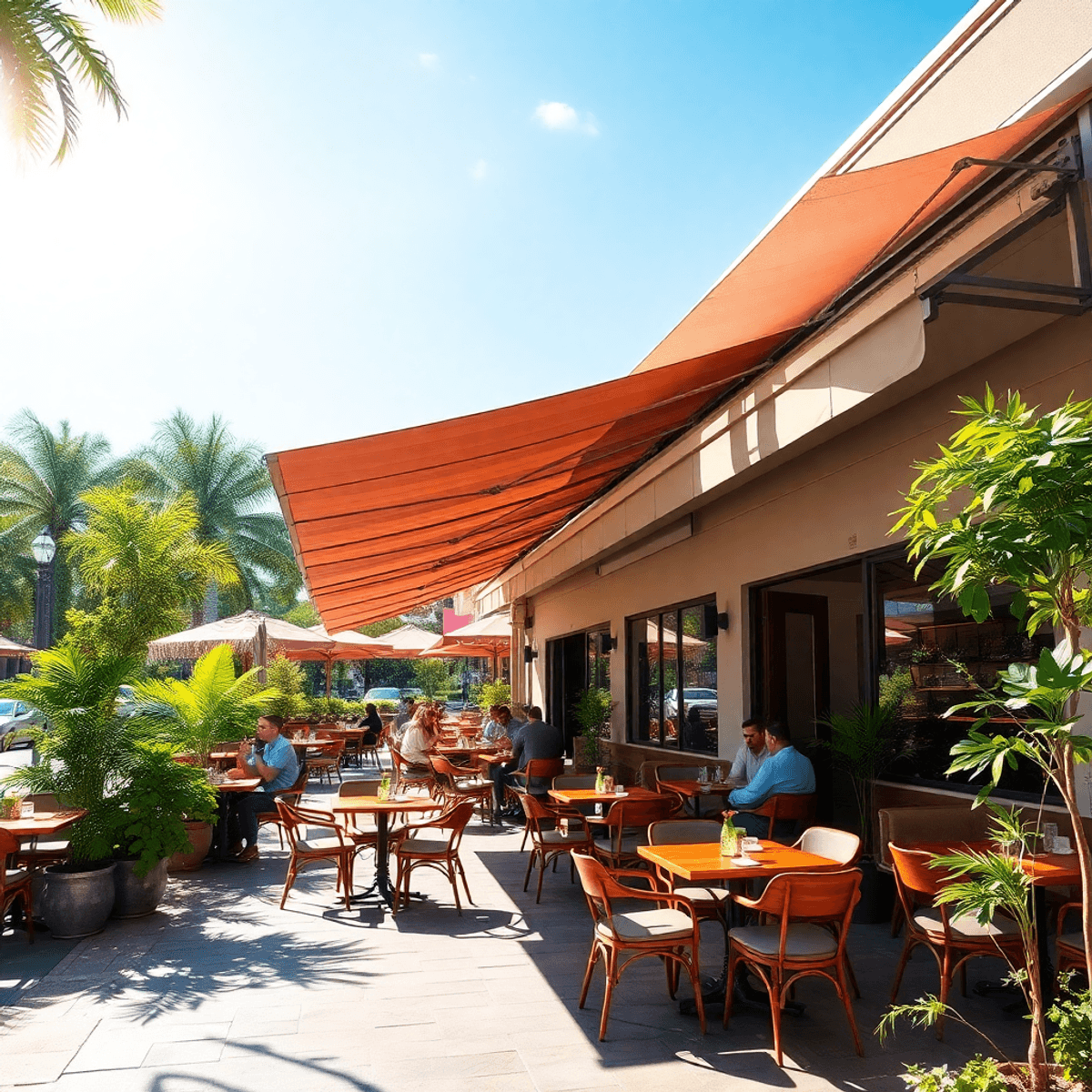
Outdoor dining is one of those things that looks simple from the pavement. A few tables outside, some nice plants, maybe a couple of fairy lights, job done.
Then you run it for a season and realise it is basically a second restaurant. With different rules. Different risks. Different money on the table.
Because the truth is, outdoor covers can be your highest margin seats. They feel premium. People stay longer. They order that extra bottle of wine. They bring friends. And on busy days you can turn a “sorry, we are full” into “we can seat you right now”.
But only if you can actually use the space reliably.
That is where shade and shelter stop being “nice to have” and start being a revenue tool. If guests are squinting into the sun, sweating through lunch, getting drenched in a sudden shower or shivering because the wind tunnels down your street, you are not really selling outdoor dining. You are selling a gamble.
This is about taking the gamble out of it.
Outdoor seating is only profitable when it is predictable
Think in terms of usable hours, not square metres.
A patio that is comfortable from 12 to 2pm and then becomes an oven is not a 40 cover terrace. It is a 40 cover terrace for two hours. Same with that cute courtyard that turns into a wind trap at 6pm. Or the front pavement seating that is fine until it rains, at which point every table is cancelled and your team is dragging furniture indoors like it is a fire drill.
Proper shade and shelter increase:
- Occupancy (more sittings, fewer walkaways)
- Average spend (people relax, they order more)
- Length of season (spring and autumn become real trading months)
- Staff efficiency (less chaos, fewer table moves, fewer comps)
- Your pricing power (outdoor tables become something you can confidently sell)
You do not need to turn the outside into an indoor room. You just need to make it comfortable enough that guests do not feel like they are battling the weather.
This principle applies not just to restaurants but also to other sectors such as schools and shops. The right outdoor setup can enhance the experience in these areas too. For instance, outdoor dining in schools could provide students with a refreshing change of environment while shopping at stores with outdoor seating can offer customers a unique shopping experience.
Start with the guest experience, then work backwards
Before you buy anything, do a simple walkthrough like a customer.
- Where does the sun hit at 11am, 1pm, 5pm?
- Where does wind come from, and does it swirl?
- Where does rain drip, run, pool?
- What is the noisiest spot?
- Which tables have the best view, and which feel exposed?
Then look at your bookings and trading patterns.
If most of your outdoor demand is weekend lunches, shade is priority. If evenings drive your revenue, wind protection and warmth matter more. If you are in the UK, the honest answer is usually: you need a bit of everything because the same day can give you all four seasons, sometimes before starters arrive.
One more thing. Guests do not care that “it is Britain”. They still blame you for discomfort. That is harsh, but it is useful. It means comfort is a controllable part of your offer.
Shade: not just for comfort, for table turnover and spend
Strong sun sounds like a nice problem, but it kills sales quietly.
People in direct sun tend to:
- Order less hot food and fewer courses
- Drink water instead of a second round
- Rush
- Ask to move tables, which messes with your flow
- Leave earlier than they planned
Shade changes behaviour. It slows the meal down, in a good way. It turns outdoor seating from “quick pit stop” into “let’s make an afternoon of it”.
Common shade options and what they are really good for
Parasols (market umbrellas)
Cheap to start, flexible, easy to replace. Great if you need to move shade as the sun shifts.
Downside: bases are trip hazards, they do not like wind and they often shade the table but not the guest’s face depending on sun angle. Also they can look messy if you mix styles.
Awnings (retractable or fixed)
A good awning makes your frontage feel like a proper destination. You also free up floor space because there are no bases.
Downside: requires proper installation and planning or landlord approval sometimes. Wind ratings matter a lot.
Sail shades
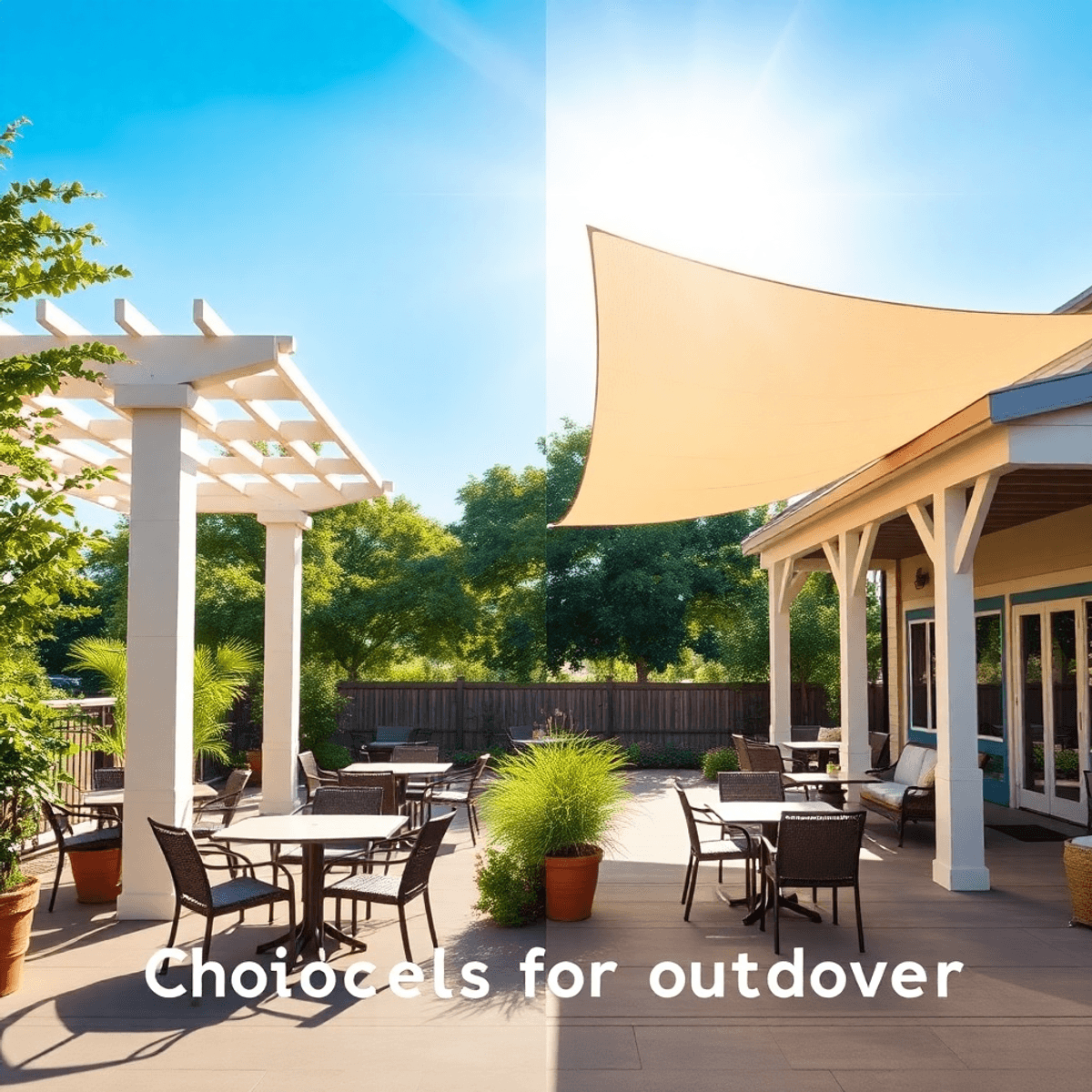
They look great in courtyards and can cover awkward spaces.
Downside: water run off can be annoying if the tension is wrong, and they are not a rain solution unless designed very carefully.
Pergolas with louvres or retractable roofs
This is the “we are serious” option. When done right, it increases the number of usable days dramatically.
Downside: higher upfront cost, but it can pay back surprisingly quickly if it allows you to keep taking bookings when others cancel.
If you are choosing shade purely on aesthetics, you will probably regret it. Choose it based on the trading problem you are trying to solve.
Shelter: the difference between a busy terrace and a cancelled service
Rain is the obvious reason, but wind is the sneaky one. Wind makes people cold even when the temperature looks fine. It knocks over menus. It sends napkins into the street. It makes staff miserable. And it is the thing that turns outdoor dining into a constant apology.
Shelter should do three jobs:
- Keep guests dry enough to stay put
- Reduce wind chill and draughts
- Let staff serve without fighting the environment
Shelter options that work in the real world
Windbreaks and screens (glass, acrylic, timber, planting)
These are often the biggest win for the money. Even partial screening can transform comfort.
A note here: totally enclosing a space can create its own issues around ventilation and regulations, so you want a smart balance. Enough protection, not a sealed box.
Retractable side panels for pergolas/awnings
If you already have a roof structure, sides are what make it usable in shoulder season.
Clear panels keep the view and still block wind.
Canopies and covered structures
If your problem is frequent rain, a proper roof matters. “Water resistant” fabric is not the same as “it will not drip on table 6 for two hours”.
A bit of practical advice: whatever you install, test it in heavy rain. Where does the water go? If it pours off the edge onto the walkway where guests enter, you’ve just moved the problem rather than solved it.
Heating, but do it properly (and profitably)
Heating is controversial. Energy costs, sustainability, local restrictions – all fair points.
But from a revenue perspective, warmth is what turns September and October into strong months, and it makes chilly evenings still feel worth it. If you cannot heat at all, you need more wind protection and more textiles. Cushions, blankets, seat pads. Those small touches are not just “cosy”. They keep people at the table.
If you do heat, think in zones. Heat the tables that sell best. Heat the path staff walk least. Do not blast heat into open air and hope for the best. You want targeted comfort.
Also, do the maths. If heating an area costs you, say, a few pounds an hour, but it helps you hold even one extra table for an extra sitting, it can be worth it. The key is measuring, not guessing.
Layout: make shelter part of your table plan, not an afterthought
A sheltered outdoor space can still be unprofitable if the layout is awkward.
Some things that tend to hurt revenue:
- Tables too close so guests feel crowded (they leave quicker)
- Tables too far away so service is slow (guests order less)
- A bottleneck at the entrance (staff stress, slower turns)
- Furniture that is too light (wind chaos)
- No clear “best tables” (harder to upsell or manage bookings)
Design for flow.
- Keep a clear service route.
- Place windbreaks where they protect multiple tables, not just one.
- Put your most desirable tables in the most protected spots, then price and book accordingly.
- Leave space for prams and wheelchairs. Outdoor areas attract families and groups. Do not accidentally make them feel unwelcome.
And yes, it is worth having a few different table sizes. Outdoor dining often drives group bookings. If you can only seat twos and fours, you lose easy revenue.
Pricing and booking strategy: stop treating outdoor tables as “extra”
Once your outside is genuinely comfortable, you can sell it with confidence.
A few tactics that work well:
Offer outdoor as a bookable zone
Not “we will try to put you outside”. If people want it, let them choose it. It reduces arrival arguments and increases satisfaction.
Hold back premium tables
If you have sheltered, well placed tables, treat them like premium inventory. Keep a couple for walk-ins at peak times, or for upsell opportunities.
Set clear weather policies
If you can shelter properly with your outdoor living projects, you can be bolder: “Outdoor tables are covered and heated, we stay outside in light rain.”
If you cannot, be honest and operationally safe: “Outdoor tables are weather permitting.”
What kills you is vagueness, because it leads to disputes and last minute reshuffles.
Introduce minimum spends for peak sheltered seating (carefully)
This can work for special dates, or for larger groups, but it needs to match your brand. Do not surprise people on arrival- put it in the booking flow.
Whether you’re managing a restaurant or planning an outdoor living commercial project, these strategies can help maximise your outdoor space’s potential. If it’s a domestic outdoor living project, similar principles apply to ensure comfort and usability while maximising revenue potential.
Increase average spend with small comfort cues
Once people are comfortable, the next lever is encouraging that extra round, that extra course. Shelter helps, but you can push it gently.
- Add a simple outdoor-only drinks list. Spritzes, chilled whites, low-alcohol options, whatever fits.
- Offer “shade-friendly” menu items for hot days. Think lighter starters, sharing plates, desserts that do not melt instantly.
- Add hooks for bags, a little side shelf, somewhere to put sunglasses. Tiny stuff. Guests notice.
- Lighting matters. If the outside looks dark or harsh, people drift indoors. Soft warm lighting keeps the mood and keeps them ordering.
People spend more when they feel looked after without having to ask.
Branding and kerb appeal: shade structures are marketing assets
A good awning or pergola is basically a sign that says: we are open, we are busy, we are comfortable.
It helps in three ways:
- Walk-ins increase because the space looks inviting
- Photos look better, which affects social posts and reviews
- The venue feels “established”, which supports higher pricing
Make sure what you install fits the building and your identity. A sleek modern pergola can look wrong on a cosy traditional pub. A striped awning can look perfect on a neighbourhood café. You get the idea.
And keep it clean. A grubby canopy or mouldy fabric does the opposite of what you want.
Operations: shelter should reduce labour, not add to it
The hidden cost of outdoor dining is staff time.
- Moving tables because the sun has shifted
- Running inside for extra cutlery because wind knocked things over
- Resetting soaked tables
- Explaining to angry guests why they cannot move inside
When you design shade and shelter, ask:
- Can one person deploy it quickly?
- Is it safe in wind?
- Does it require constant adjustment?
- Can it be locked and secured overnight?
- Does it create new cleaning jobs your team cannot realistically do?
If the answer is “this looks great but it’s a faff”, it will become a problem by week three, when the novelty has gone and you are short-staffed.
Compliance and safety, the unglamorous bit that matters
A few reminders, because they can affect revenue fast if you get them wrong.
- Ensure structures are properly rated for wind and installed by professionals where needed.
- Keep walkways clear. Trip hazards lead to incidents and bad reviews.
- Consider fire safety with heaters, candles and enclosed or semi-enclosed areas.
- Check licensing, pavement permissions, landlord approvals and local council requirements.
- If you add sides and create a more enclosed space, be mindful of ventilation and any relevant regulations.
It is not exciting, but it protects your ability to trade without interruption.
A simple way to calculate whether shade and shelter will pay back
You do not need a complicated model. Use a rough but honest one.
- How many outdoor covers do you have (or could you have)?
- How many extra days per month would you realistically trade outside if it was sheltered?
- What is your average spend per head outdoors?
- What is your average gross margin on that spend?
- What is the likely increase in covers or sittings?
Even modest improvements stack up fast.
Example logic (keep it basic): if shelter lets you keep 20 covers open for an extra 8 days a month, with an average spend of £25, that is £4,000 in extra revenue. Do that across spring and autumn and suddenly a serious structure does not feel so expensive.
Also include the soft savings. Fewer comps. Fewer cancellations. Less staff overtime from chaos.
What I would prioritise if I was doing this from scratch
If budget is tight, do it in phases.
- Wind protection first (screens, planters, positioning)
- Reliable overhead cover (awnings or a proper canopy)
- Shade control (so it works on hot days too, not just rain)
- Heating and lighting (to extend evenings and shoulder season)
- Finishing touches (comfort, branding, little upgrades)
The goal is not perfection. It is consistency. When guests know they will be comfortable, they book. When they book, you plan better. When you plan better, you staff better, and suddenly the outside is not a stressful bonus area, it’s part of your core business.
Wrap up
Maximising outdoor dining revenue is not really about squeezing in more tables. It is about making the tables you already have usable more often, with fewer disruptions.
Proper shade keeps people happy in the heat. Proper shelter keeps service running when the weather turns. And together, they turn outdoor seating into predictable, sellable capacity. The kind you can confidently put on your booking system and build your week around.
If you take one thing from this, let it be this. Outdoor dining pays when it stops feeling like a risk. Once you control comfort, the money follows.
FAQs (Frequently Asked Questions)
Why is outdoor dining considered a high-margin opportunity for restaurants?
Outdoor dining can be your highest margin seating because it feels premium to guests, encourages longer stays, leads to ordering extra items like bottles of wine and often results in bringing more friends. Additionally, on busy days, outdoor spaces allow you to seat more guests immediately, turning potential walkaways into revenue.
How does proper shade and shelter impact the profitability of outdoor dining areas?
Proper shade and shelter increase occupancy by allowing more sittings and reducing walkaways, boost average spend as guests relax and order more, extend the trading season into spring and autumn, improve staff efficiency by reducing chaos and table moves and enhance pricing power by making outdoor tables reliably comfortable and desirable.
What factors should be considered when planning an outdoor dining space?
When planning outdoor dining, consider sun exposure at different times (11am, 1pm, 5pm), wind direction and whether it swirls, rain patterns including where water drips or pools, noise levels around seating areas, which tables have the best views or feel exposed. Also analyse booking patterns to prioritise shade or wind protection depending on peak trading times.
What are the common options for providing shade in outdoor dining areas and their pros and cons?
Common shade options include parasols (cheap and flexible but can be trip hazards and messy), awnings (create a destination feel and save floor space but require installation and approval), sail shades (aesthetic for courtyards but tricky with water run-off) and pergolas with louvres or retractable roofs (high upfront cost but dramatically increase usable days). Choose based on trading needs rather than aesthetics alone.
How does shade influence customer behaviour during outdoor dining?
Shade slows down meals in a beneficial way by making guests more comfortable. Without shade, strong sun causes people to order less hot food and fewer courses, drink only water instead of additional rounds, rush their meal, request table moves disrupting flow and leave earlier than planned. Providing shade turns outdoor seating from a quick stop into a relaxed afternoon experience.
Why is shelter important beyond just protecting from rain in outdoor dining spaces?
Shelter protects guests not only from rain but also from wind, which can make people feel cold even if temperatures are mild. Wind disrupts service by knocking over menus and napkins, makes staff uncomfortable and often leads to cancelled services. Effective shelter keeps guests dry enough to stay put and reduces wind impact to maintain comfort and operational efficiency.