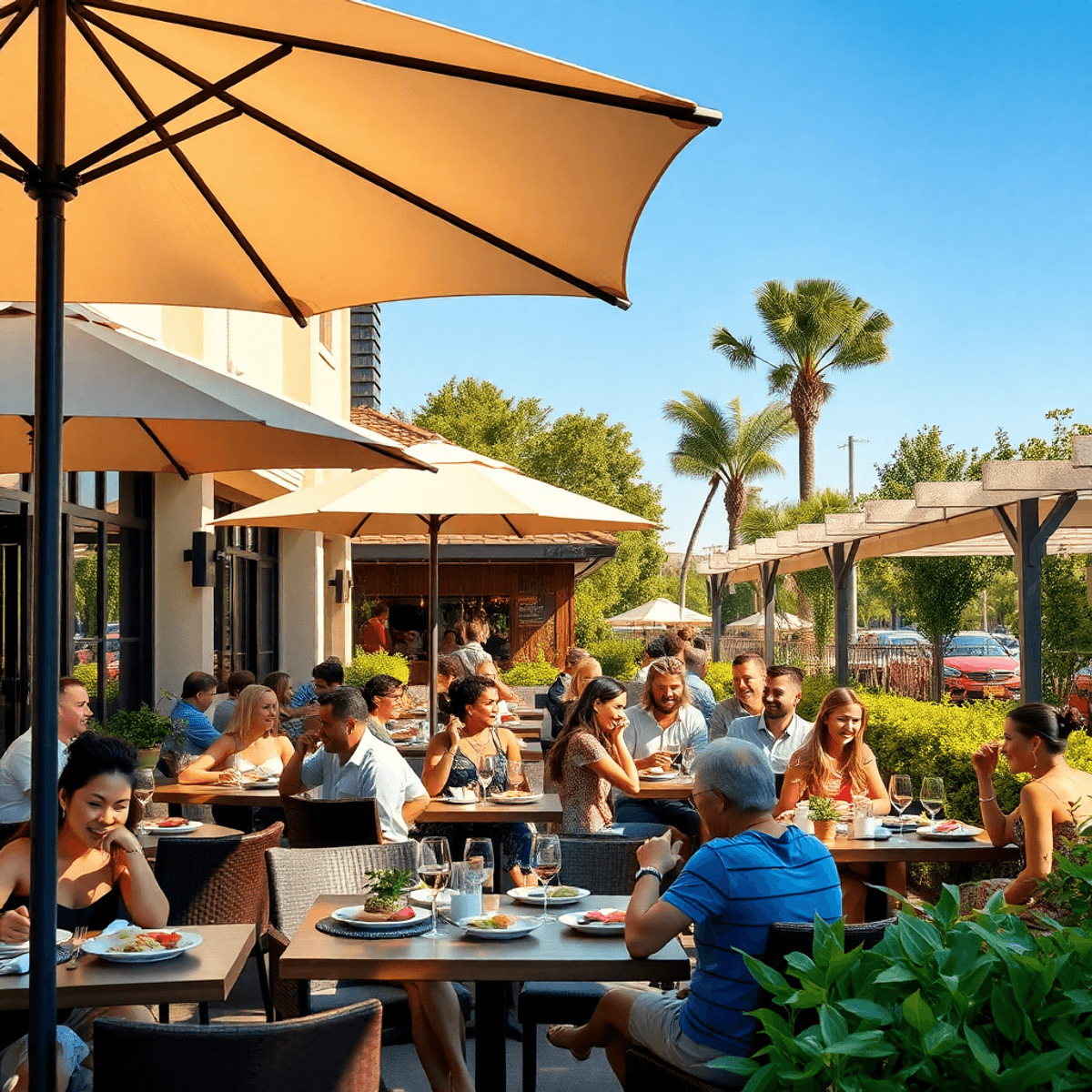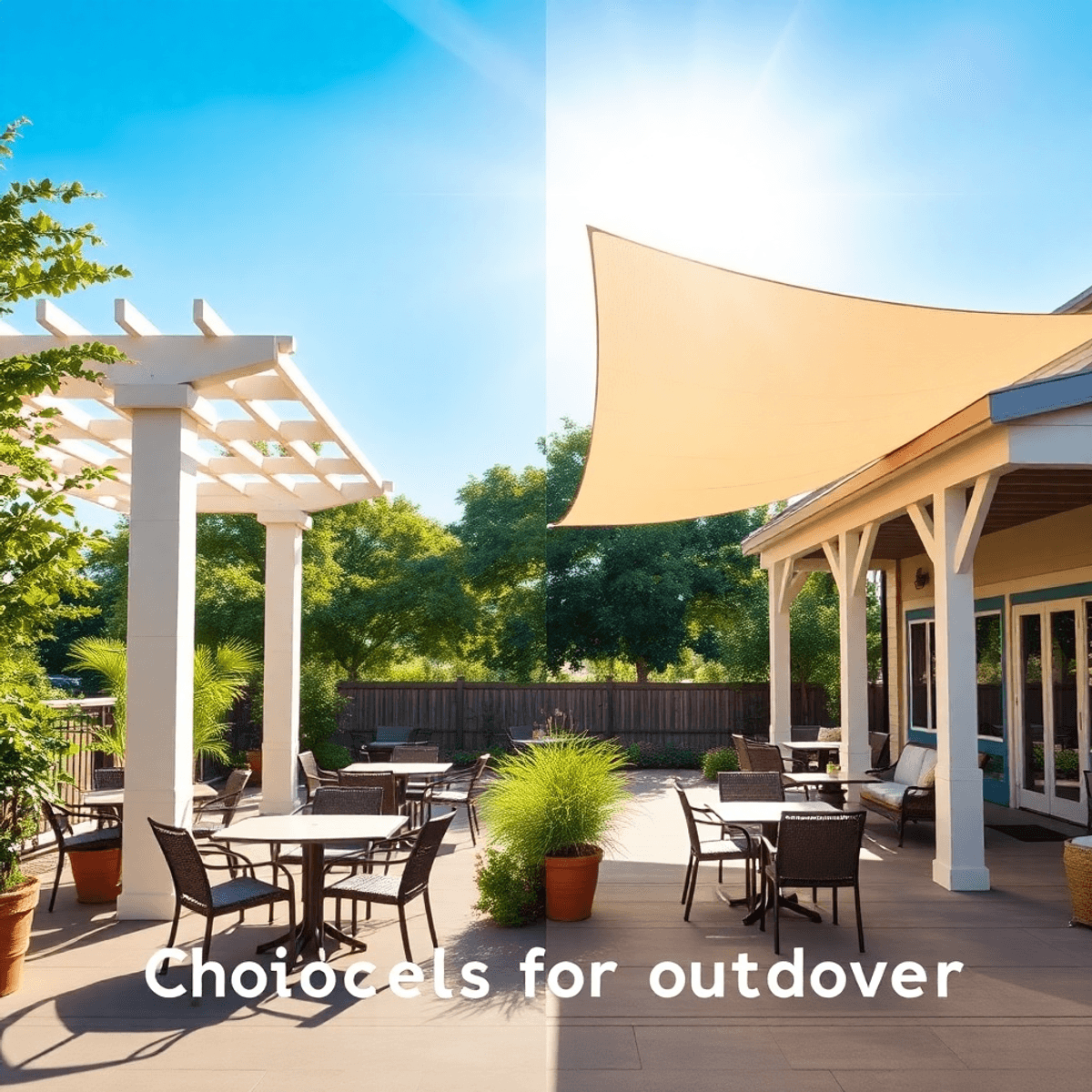
Outdoor seating is one of those things that looks simple on paper.
Put out a few tables. Add some chairs. Maybe a plant or two. Job done.
Then reality shows up. Wind. Drizzle that somehow goes sideways. Sun that hits one table like a spotlight while the rest of the terrace sits in shade. A sudden temperature drop at 7pm that makes everyone ask for the bill at the same time.
And that is where awnings quietly change everything. Not in a flashy, trendy way. More in a practical, money on the books, customers actually stay longer kind of way.
Because when your outdoor area becomes reliably usable, you stop treating it like a bonus and start treating it like part of the restaurant.
Outdoor seating is only valuable when it’s predictable
This is the bit people skip.
An extra ten covers outside sounds great, but only if you can count on them. If your patio is empty every time the weather wobbles, or if staff are constantly moving guests around to dodge glare and light rain, it turns into a headache instead of an asset.
Awnings bring control back. Not total control, this is still the UK and the sky will always do what it wants. But enough control that you can seat people with confidence and keep them comfortable for more than fifteen minutes.
And comfort is basically the whole game. People don’t linger when they’re squinting, shivering or feeling like their food might get rained on at any moment.
You extend the season without pretending it’s the Med
Restaurants often talk about “extending the season” like you need full-on winter domes and heated igloos. Sometimes you do. But a good awning can take you surprisingly far on its own.
Spring becomes usable earlier because you can cut the chill from wind and keep tables dry after light showers. Autumn stays open longer because you can cover guests while you add simple extras like outdoor heaters and blankets.
It’s not about turning November into July. It’s about turning borderline days into bookable days for your outdoor restaurant. Those “might risk it” customers. The ones who want to sit outside but only if it feels safe. An awning nudges them over the line.
Rain cover that doesn’t feel like a sad compromise
Let’s be honest, some outdoor setups look like a last-minute scramble. A few parasols doing their best. A plastic gazebo that screams “temporary”.
A properly chosen awning looks intentional. Like the outdoor area was designed, not improvised.
It also performs better. Parasols are fine for sun, but in wind and rain they become annoying. Water runs off in weird places. Guests end up with a drip on one shoulder. Staff are constantly adjusting things. You probably know the drill.
Awnings create a continuous covered zone. You can position tables properly, plan service routes and keep walkways clearer. Guests feel looked after. Which sounds fluffy, but it directly affects reviews and repeat visits.
Shade changes the mood more than you’d think
The sun is great. Direct sunlight in someone’s eyes for an entire lunch booking is not.
Restaurant awnings give you shade that feels calm, not harsh. The difference is noticeable straight away. People stop squinting. They can read menus without angling them like mirrors. Drinks stay colder. Food doesn’t get that “left under a heat lamp” vibe.
And the mood changes too. Outdoor dining becomes relaxed. Like a little escape. That is what people want when they choose to sit outside in the first place.
If your restaurant gets strong afternoon sun, or if your frontage faces the wrong direction (so half the terrace is always roasting), an awning is one of the quickest ways to fix that without redesigning the entire space.
You create a “room” outside, not just a row of tables
This is the part that feels more like design than weatherproofing.
Awnings define a space. They give your terrace edges. A ceiling, basically. Suddenly the outdoor seating doesn’t feel exposed, like it’s just sitting on the pavement. It feels like an extension of the restaurant.
That matters for atmosphere. People are drawn to spaces that feel considered. Awnings help with that in a way that signage alone can’t.
It also makes passers-by more likely to notice your outdoor area as somewhere they could actually sit comfortably. That small psychological cue. Covered seating reads as safer, cosier and more premium.
But it’s not just about awnings; restaurant blinds, restaurant curtains and restaurant pergolas can also play significant roles in creating that inviting outdoor space.
Better use of space, and often more covers
When you have reliable cover, you can plan the layout properly.
You stop leaving awkward gaps “just in case we need to move tables” when the rain starts. You stop clustering everything close to the building because that’s the only protected bit. You can spread out, align tables and create service lanes that don’t involve staff squeezing past handbags and chair backs.
In many cases, restaurants end up fitting more covers outside once the area is structured around an awning. Not always, and you still need to keep it comfortable, but the space becomes workable.
And workable space is what turns a terrace from occasional seating into daily revenue.
Your staff will thank you, quietly
Guests feel the difference. Staff feel it even more.
If you’ve ever had a shift where the weather changes every half hour, you know how chaotic it gets. Moving plates. Re-seating tables. Apologising. Getting asked if you have umbrellas. Running outside to wipe down chairs again. Watching a server carry a tray while trying not to step in puddles.
Awnings reduce that chaos. Not completely, but enough that service becomes smoother. And smoother service usually means higher spend, better tips, fewer mistakes and less stress.
Also, a covered outdoor area makes it easier to keep things clean and presentable. Less debris on tables. Less damp on cushions. Less time “resetting” the terrace.
Branding, but the useful kind
Awnings are one of the rare exterior upgrades that do two jobs at once.
They improve function, yes. But they also improve the look of the place from the street. A well-fitted awning with colours that match your brand can make your restaurant more recognisable. More finished. More like somewhere people should try.
If you’re on a high street with lots of competition, this matters. People often choose where to eat based on what feels inviting in the moment. A nice covered seating area signals hospitality before anyone even reads your menu.
And if you add subtle lighting underneath, it becomes even stronger in the evenings. Warm glow, sheltered tables, a little buzz. It sells itself.
Customers stay longer, and longer usually means more spend
There’s a simple chain reaction here.
Comfort leads to staying longer. Staying longer leads to another drink, maybe dessert, maybe coffee. It also leads to better conversations, better vibes and better reviews because people remember the experience as easy and enjoyable.
Outdoor areas can be brilliant for this because they naturally feel less rushed than indoor tables. But only if guests aren’t fighting the elements.
This is where awnings come into play. They create the conditions for that slower, more enjoyable dining pace. And from a business point of view, you’re not just increasing covers. You’re increasing average spend.
It can protect furniture and reduce wear
Outdoor furniture takes a beating. Sun fades fabrics. Rain seeps into cushions. Wooden tables swell and crack. Metal can rust. Even if you cover things overnight, constant exposure adds up.
An awning won’t eliminate wear, but it can reduce it massively. Less direct rain on seating, less harsh sun on finishes, less constant dampness.
Over time that means fewer replacements, fewer repairs and less of that slightly tired look that outdoor areas can get after a season or two.
It also makes it easier to invest in nicer furniture in the first place, because you’re not leaving it completely at the mercy of the weather.
Choosing the right awning (so it actually helps)
Not all awnings are equal, and picking the wrong one is how people end up thinking awnings “don’t really work”.
A few practical things to consider when selecting commercial awnings or electric awnings:
Fixed vs Retractable Awnings
A fixed awning gives constant cover and feels very permanent. It’s great if you want the outdoor area always defined and protected. However, a retractable awning offers flexibility. On days when you want full sun or need to manage wind, being able to pull it in and out is genuinely useful.
Some restaurants opt for retractable awnings purely for the vibe. Blue sky days feel open and airy, while the awning provides shelter when the sun or drizzle kicks in.
Wind Matters, Especially in Exposed Spots
If your restaurant frontage experiences strong gusts, it’s crucial to consider wind rating and proper installation. This isn’t the place to cut corners. A good supplier should discuss with you about wind sensors (for motorised systems), anchoring and whether side screens are worth adding. If they don’t, that’s a red flag.
Think About Drainage and Runoff
Where does the water go when it rains? Sounds boring, but it’s critical. You don’t want a steady drip line landing right on the edge tables or water pouring onto the pavement where customers step out. The best setups manage runoff cleanly, either through design or positioning.
Lighting and Heaters Can Integrate Nicely
If you already use outdoor heaters, an awning can help trap a little warmth making them feel more effective. Additionally, integrated lighting under the awning can transform the space into an evening destination, not just a daytime overflow. Even simple warm white lighting changes the whole feel of a terrace.
For restaurants looking to enhance their outdoor areas with such features, considering professional services for design and installation of restaurant canopies can prove beneficial.
Permissions and Frontage Rules
Depending on your local council, lease terms, listed building status or landlord restrictions, you may need permission. Especially if you’re altering the exterior appearance or extending over a public footpath.
It’s worth checking early so you don’t fall in love with a design that becomes a paperwork nightmare later.
Awnings Can Change How You Market the Restaurant Too
Once you have a covered, good-looking outdoor space, such as those provided by restaurant verandas, you can actually use it in your marketing without crossing your fingers about the weather.
You can photograph it. Put it on Google Business. Use it on your website. Post it on Instagram. Promote brunch outside, even when it’s not peak summer. Mention “covered outdoor seating” on your booking pages.
That phrase alone reassures people. Especially in the UK. People want the option of outdoors without the risk of being cold and wet the whole time.
And when customers start specifically asking for those outside tables, you know you’ve done something right.
The Real Transformation is Confidence
That’s the word that keeps coming up.
Confidence to seat guests outside without worrying. Confidence to take bookings rather than hoping for walk-ins. Confidence that your terrace won’t suddenly become unusable halfway through service.
Awnings do not just make outdoor seating nicer. They make it dependable. Which changes staffing, planning, revenue and how the restaurant feels from the street.
If your outdoor space currently feels like a gamble, an awning is one of the most straightforward upgrades you can make. Not the cheapest, no. But one of the clearest returns.
And once it’s up, and you have that first busy lunch where the weather does its usual thing and nobody cares because everyone is dry and comfortable, thanks to outdoor living projects like these, you’ll wonder why you waited.
For those looking to enhance their outdoor space further, commercial outdoor living solutions are also available to create an inviting atmosphere for guests.
FAQs (Frequently Asked Questions)
Why is outdoor seating only valuable when it’s predictable?
Outdoor seating adds value to a restaurant only when it can be reliably used. If the patio is empty during unpredictable weather or guests constantly need relocating due to sun glare or rain, it becomes more of a hassle than an asset. Awnings provide enough control over the environment to seat guests confidently and keep them comfortable, encouraging them to stay longer.
How do awnings help extend the outdoor dining season?
Awnings allow restaurants to make borderline days bookable by cutting chill from wind, keeping tables dry after light showers and providing cover for guests in autumn. Combined with extras like outdoor heaters and blankets, awnings help extend the outdoor dining season without pretending to turn colder months into summer.
What advantages do awnings have over parasols or temporary covers?
Unlike parasols or plastic gazebos that often look improvised and perform poorly in wind and rain, properly chosen awnings create a continuous covered zone. This allows for better table positioning, clearer service routes and improved guest comfort, which positively impacts reviews and repeat visits.
How do restaurant awnings improve guest comfort regarding sunlight?
Awnings provide calm, consistent shade that prevents guests from squinting or struggling with menus angled like mirrors. This keeps drinks colder, food fresher and creates a relaxed outdoor dining atmosphere – a little escape that guests desire when choosing to sit outside.
In what way do awnings contribute to the design and atmosphere of outdoor seating areas?
Awnings define the outdoor space by giving terraces edges and a ceiling-like cover. This transforms outdoor seating from feeling exposed on a pavement to being an inviting extension of the restaurant, making it feel safer, cosier and more premium – qualities that attract both guests and passers-by.
Can installing awnings lead to better use of outdoor space and more covers?
Yes. Reliable cover from awnings allows restaurants to plan layouts properly without leaving awkward gaps or clustering tables near the building. This structured approach can enable spreading out tables comfortably with clear service lanes, often resulting in fitting more covers outside while maintaining guest comfort.